
Government and Private Sector Career Development Tools
Government and private sectors offer diverse career development tools, including federal platforms like O*NET & USAJOBS (DOL), internal agency programs (OPM), & specialized tools (CFO Council’s CPTT), alongside private-sector resources such as CareerOneStop, assessments (SWOT, personality tests), mentoring, and general platforms like Indeed & ALA for broad advice, focusing on skills, self-assessment, networking, and continuous learning for both public and private roles.
Government-Specific Resources
- OPM (Office of Personnel Management): Mandates mentoring and provides guidance for federal employee development.
- CFO Council Career Planning & Training Tool (CPTT): A public/private framework for federal financial management workforce training.
- USAJOBS & O*NET (DOL): Key sites for federal jobs, detailed occupation info, and skill matching.
- DOD Career Exploration Program: Free tools for high school students to explore career paths.
Private & General Sector Tools
- CareerOneStop (Dept. of Labor): Flagship site for career, training, and job search info.
- O*NET Online: Detailed work descriptions for job seekers and professionals.
- NCDA (National Career Development Association): Offers assessments, counselor directories, and online resources.
- SWOT Analysis & Self-Assessments: Tools (Strengths, Weaknesses, Opportunities, Threats) used widely for personal evaluation.
- Professional Associations (e.g., ALA): Provide career advice, guides, and skill-building resources.
Common & Foundational Tools
- Mentoring & Coaching: Essential for guidance and career advice.
- Career Assessments: Identify interests, skills, and values (e.g., CareerOneStop, Truity). The Ohio Career Information System (OCIS).
- Networking: Connecting with others in your field.
- Continuous Learning: Training, certifications, and staying updated on new skills.
- Job Boards & Advice Sites: Indeed, Monster, ZipRecruiter offer general career tips and job listings.
- America’s Labor Market Information System: America’s Labor Market Information System (ALMIS) is a dynamic system that produces high-quality, standardized labor market information and tools in a variety of media and formats for use by job seekers, employers, and workforce development professionals.
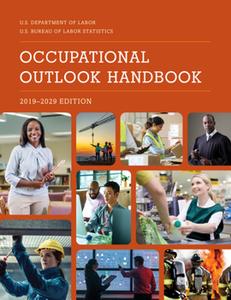
- Occupational Outlook Handbook: The Occupational Outlook Handbook is the government’s premier source of career guidance featuring hundreds of occupations.
Career Source Florida
From resume assistance and interview prep to training and job placement, Career Source Florida Services are designed to meet you where you are—and get you where you want to go.
Key Career Development Steps
- Self-Assessment: Understand your skills, values, and goals (SWOT, personality tests).
- Research: Explore occupations (O*NET, OOH).
- Plan: Set goals and create a path.
- Act: Network, gain experience, train.
- Monitor & Adjust: Continuously review and adapt.
The Most Influential U.S. College and Universities
The most influential U.S. universities consistently include Harvard, Stanford, MIT, Yale, and Princeton, often appearing at the top of global and national rankings for research, leadership, and reputation, alongside other powerhouses like the University of Chicago, UPenn, Caltech, Johns Hopkins, and UC Berkeley, known for producing top leaders, innovators, and groundbreaking research across various fields, especially technology, business, and public policy.
Top-Tier & Consistently High-Ranking:
Harvard University: Oldest in the U.S., leading in academic reputation and producing future leaders.
Massachusetts Institute of Technology (MIT): Global leader in tech, engineering, and innovation.
Stanford University: Top for innovation, entrepreneurship, and producing tech leaders.
Yale University: Strong across humanities, law, and medicine.
Princeton University: Known for its stunning campus and strong undergraduate focus.
University of Chicago: Renowned for economics and social sciences.
California Institute of Technology (Caltech): A powerhouse in science and engineering.
Other Highly Influential Institutions:
University of Pennsylvania (UPenn): Home to Wharton, a top business school.
Johns Hopkins University: A leader in medicine and research.
University of California, Berkeley (UC Berkeley) & UCLA: Leading public universities with global impact.
Duke University, Northwestern University, Columbia University, Cornell University: All consistently rank high across various disciplines.
Factors for Influence:
- Research Output: Producing groundbreaking studies and discoveries (e.g., MIT, Caltech).
- Innovation & Entrepreneurship: Driving new technologies and businesses (e.g., Stanford).
- Leadership Pipeline: Educating U.S. Presidents, CEOs, and influential figures (e.g., Harvard, Yale, Princeton).
- Global Reputation: Strong academic and employer reputations (QS Rankings).
These universities shape policy, drive economic growth, and advance knowledge, making them consistently influential in the U.S. and worldwide.
The Most Influential HBCUs in the U.S.
Influential HBCUs consistently include Howard University, Spelman College, Morehouse College, Tuskegee University, and Florida A&M University (FAMU), recognized for academic strength, producing leaders, and unique contributions like Xavier University’s STEM focus or Tuskegee’s engineering, with others like Fisk, Hampton, and Morgan State also prominent for their impact in culture, research, and producing leaders in various fields.
Top-Tier & Consistently Recognized
Howard University (DC): Often ranked #1, it’s a major research institution (R1) known for producing leaders in government, arts, and sciences.
Spelman College (GA): A leading women’s college with immense cultural impact, producing leaders like Stacey Abrams and Bernice King.
Morehouse College (GA): The only men’s liberal arts college, famed for alumni like Martin Luther King Jr. and Samuel L. Jackson.
Tuskegee University (AL): Historically significant (Tuskegee Airmen), a leader in aerospace, and a national historic landmark.
Florida A&M University (FAMU) (FL): Strong in research (NSF #1) and a powerhouse for producing Black professionals.
Other Highly Influential HBCUs
- Xavier University of Louisiana (LA): A STEM and health sciences leader, known for its unique Catholic identity and high pharmacy school acceptance rates.
- Hampton University (VA): A private university with a strong reputation and influential alumni.
- Fisk University (TN): Historically significant and selective, known for research and liberal arts.
- Morgan State University (MD): Leading in STEM and communications, increasing Black representation.
- Central State University (CSU) is known as Ohio’s only public HBCU (Historically Black University) and 1890 Land-Grant Institution, recognized for its strong programs in Agriculture, Engineering, Education, and Arts, its vibrant cultural community, and its successful athletics, especially the Lady Marauders basketball team, with a focus on community engagement and transforming lives through academic excellence and practical experience.
Factors Defining Influence
- Academics: Research output, rankings, STEM/Health Sciences strength (Xavier, FAMU).
- Cultural Impact: Producing influential figures in politics, arts, and business (Spelman, Morehouse, Howard).
- Historical Significance: Institutions like Tuskegee and Fisk have deep roots in Black history.
- Leadership Pipeline: Strong track records for producing leaders in various sectors.